Rooted in Rhythm: How Digital Artists Are Using the Seasons as a Creative Framework
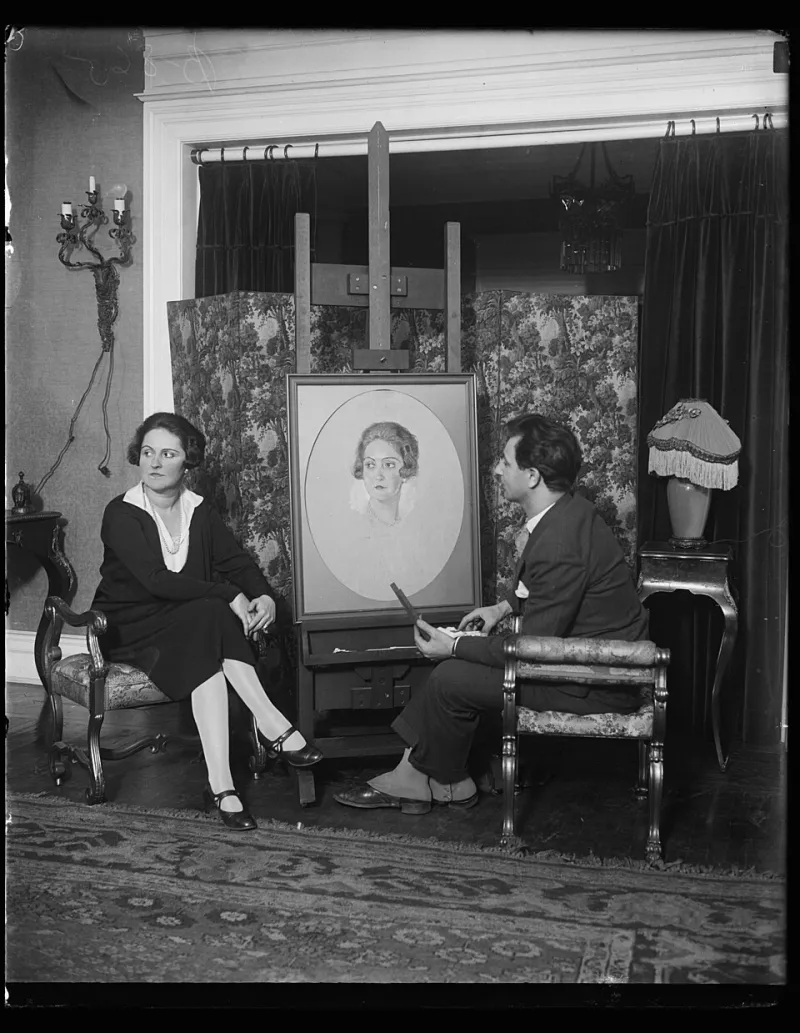
Photo: Harris & Ewing, photographer, Public domain, via Wikimedia Commons
There's a certain irony in the fact that digital art — a medium that exists entirely on screens, untethered from soil or sunlight — is increasingly being shaped by something as ancient as the turning of the seasons. But spend any time talking to working digital artists, and a pattern starts to emerge: the most productive, creatively fulfilled ones aren't just drawing about autumn leaves or winter fog. They're structuring their entire year around the rhythms those seasons represent.
This isn't about aesthetics. It's about workflow, sustainability, and the kind of creative output that doesn't burn you out by March.
Why Seasons Make Sense as a Creative Calendar
The idea of seasonal work cycles isn't new — farmers, teachers, and retail managers have lived by the calendar for centuries. But for digital artists, who often operate in a blur of always-on freelance gigs and social media pressure, the concept of intentional seasonal pacing is almost countercultural.
"I used to just grind year-round and wonder why my work felt stale," says Maya Chen, a Portland-based motion designer who works primarily in After Effects and Cinema 4D. "Then I started actually paying attention to how I felt in different seasons, and I realized I was fighting my own natural energy cycles the whole time."
Maya now uses spring as her experimentation window — when she tries new software, explores unfamiliar styles, and pitches ambitious personal projects. Summer becomes her production sprint, when longer daylight hours and higher energy fuel her most client-intensive work. Fall is for refinement and portfolio curation. And winter? That's her reflection season — journaling, reading design theory, and letting ideas compost.
"Winter is when I plant the seeds I'll actually grow in spring," she says. "I used to feel guilty for slowing down. Now I think of it as essential prep work."
The Summer Sprint and the Importance of Momentum
For Brooklyn-based illustrator and UI designer James Okafor, summer is where the magic happens — but only because he's spent spring building toward it.
"I treat Q2 like a runway," James explains. "I'm building momentum in April and May so that by June, I'm at full creative velocity." His summer projects tend to be his most ambitious: large-scale digital illustration series, collaborative brand identity work, and the occasional passion project he pitches to clients as a limited-edition drop.
James credits his seasonal structure partly to a tool he swears by: Notion, where he maintains separate seasonal "vaults" — basically living documents that hold project ideas, mood boards, and half-finished concepts sorted by the season he plans to develop them in. "It sounds simple, but having a place to put a winter idea when it hits me in July — without feeling like I have to act on it immediately — has been huge for my focus."
Autumn as the Artist's Audit Season
If summer is the sprint, fall is the reckoning. Multiple artists we spoke with described autumn as a time of honest self-assessment — a moment to look at what they actually made versus what they planned to make.
San Francisco-based digital photographer and retoucher Priya Nair uses October specifically for portfolio reviews. "I go through everything I created since January and ask: does this still represent me? What do I want to retire? What do I want to push forward?" She describes it as creative decluttering — stripping away work that no longer fits who she's becoming as an artist.
Priya also leans into fall's visual energy during this period, deliberately shooting and editing in cooler late-afternoon light to match the introspective mood. "There's something about fall light that makes you honest," she says. "It's not the flattering golden hour of summer. It's more direct. I think that bleeds into how I evaluate my work."
For Priya, the tools that support this seasonal audit include Lightroom's built-in calendar view (for seeing exactly when she shot what) and a physical sketchbook she keeps specifically for fall reflections — a low-tech counterpoint to her otherwise all-digital workflow.
Winter: The Permission to Rest (and Think)
The hardest seasonal shift for many digital artists is giving themselves permission to actually slow down in winter. The pressure to maintain social media presence, stay relevant, and keep producing is relentless — and it doesn't take a vacation just because the days get shorter.
But Chicago-based brand designer and digital collage artist Tomás Rivera has made peace with his winter slowdown by reframing what "productive" means during those months. "I read more in winter than any other season. I go to galleries. I watch films I've been meaning to watch for two years. None of it looks like work, but all of it feeds my work."
Tomás specifically uses winter to explore adjacent creative fields — last year he took a short online course in ceramics, which ended up directly influencing the texture work in a major brand project he launched the following spring. "Creative cross-pollination is way easier when you're not in production mode," he notes.
His tool of choice for winter? Surprisingly analog: a physical pin board where he collects images, swatches, and printed references without any organizational pressure. "I'm not building a mood board in winter. I'm just collecting. The meaning comes later."
The Sustainability Argument
Beyond individual creative output, there's a bigger reason this seasonal approach matters: longevity. Burnout is rampant in the digital creative industry, and the always-on culture of freelancing and social content creation is a significant driver.
Seattle-based generative artist and creative director Leila Hassan has been working in digital art for over a decade, and she's watched colleagues flame out at alarming rates. "The ones who last aren't necessarily the most talented," she says bluntly. "They're the ones who figured out how to pace themselves."
Leila's seasonal rhythm is the most formalized of the artists we spoke with — she actually blocks her calendar by season at the start of each year, treating each quarter as a distinct creative phase with different goals, output expectations, and energy investments. "I'm not rigid about it. Life happens. But having that framework means I'm never confused about where I am in my creative year."
She also points to the quality benefits: work produced with intention and proper creative rest, she argues, is simply better than work ground out in a constant state of exhaustion. "You can feel the difference in someone's work when they've had space to actually think."
Harvesting What You Plant
What's striking about all five of these artists is that none of them stumbled into seasonal awareness by reading a productivity book. They arrived there through direct experience — through burnout, through creative blocks, through the gradual realization that fighting natural cycles was costing them more than it was giving them.
The seasons, it turns out, aren't just something to paint. They're something to live by. And for digital artists willing to align their creative practice with the natural calendar, the harvest — in quality, in sustainability, in genuine creative joy — tends to be worth the wait.