Season Zero: The Fake Visual Calendar That's Running Your Creative Life
Open your camera roll. Now open Pinterest. Open Instagram. Open TikTok.
Notice anything? The imagery you're saving, liking, and returning to probably doesn't match what's actually happening outside your window right now. It might be blazing July in Phoenix, but your saved posts look like a moody November afternoon in the Pacific Northwest. Or it's February in Chicago and your design mood board is somehow all golden hour and linen textures that feel like late September.
You're not confused. You're just living in Season Zero — the phantom visual language that social media built without anyone really planning it.
What Even Is a Phantom Season?
Here's the basic idea: the four seasons we grew up with — spring, summer, fall, winter — are rooted in something real. Temperature, light, plant cycles, the smell of the air. They're sensory and physical. But what's happening on our feeds? That's something else entirely.
Over the past decade or so, the overlap of user-generated content, aesthetic micro-trends, and platform recommendation engines has produced a visual language that doesn't map cleanly onto any actual time of year. It borrows from all four seasons and answers to none of them. Think: warm amber tones layered over sparse, minimalist compositions. Or bare branches rendered in soft-focus against a dusty lavender sky. Or that particular shade of muted green that reads as cozy without being definitively spring or fall.
This is Season Zero. It's not a trend. It's a whole synthetic climate.
How the Algorithm Builds Weather
Platforms like Instagram and Pinterest don't serve you content based on what season it actually is. They serve you content based on what you've engaged with before, what's performing well across the network, and what keeps you scrolling. When enough users in enough different geographic locations start gravitating toward the same aesthetic cues — regardless of local weather — the algorithm reads that as signal and amplifies it.
The result is a kind of visual averaging. Peak engagement moments from October get recirculated in March. A moody, fog-draped forest photo taken in Oregon in November goes viral in May and gets repinned thousands of times in Florida, Texas, and New York, where the actual environment looks nothing like it. The emotional resonance travels. The seasonal context doesn't.
Creators notice this. They start producing content that hits those emotional notes year-round, because that's what gets traction. And gradually, without any single person deciding it, a phantom season takes shape — one that lives entirely in the visual register and has no relationship to a thermometer.
The Visual Markers That Define It
So what does Season Zero actually look like? A few consistent elements keep showing up across platforms:
Desaturated warmth. Not quite autumn's full amber burn, not quite summer's golden hour. A kind of muted, slightly nostalgic warmth that reads as feeling more than time.
Soft, diffused light. Not the hard shadows of midday summer. Not the blue-gray flat light of winter overcast. Something in between — a perpetual magic hour that doesn't really exist in nature but photographs beautifully.
Texture over color. Linen, raw wood, worn ceramic, dried botanicals. Materials that suggest handmade and slow-lived without committing to a specific season.
Transitional flora. Not full bloom, not dead. Half-open. Dried but not decayed. The visual equivalent of almost — which is, conveniently, the emotional register that drives the most saves.
Taken together, these elements create a visual world that feels perpetually like the moment just before something changes. It's emotionally compelling precisely because it's unresolved.
Why Creatives Keep Getting Pulled In
Here's where it gets interesting for designers and photographers specifically. Season Zero isn't just a consumer phenomenon — it's actively shaping how people make work.
If you're a photographer building an Instagram presence, you quickly learn which images get engagement. And the data tends to favor images that fit this phantom aesthetic over images that are strictly seasonally accurate. A bright, saturated beach photo from July might underperform against a moody, textured composition taken in the same month but lit and edited to feel like Season Zero.
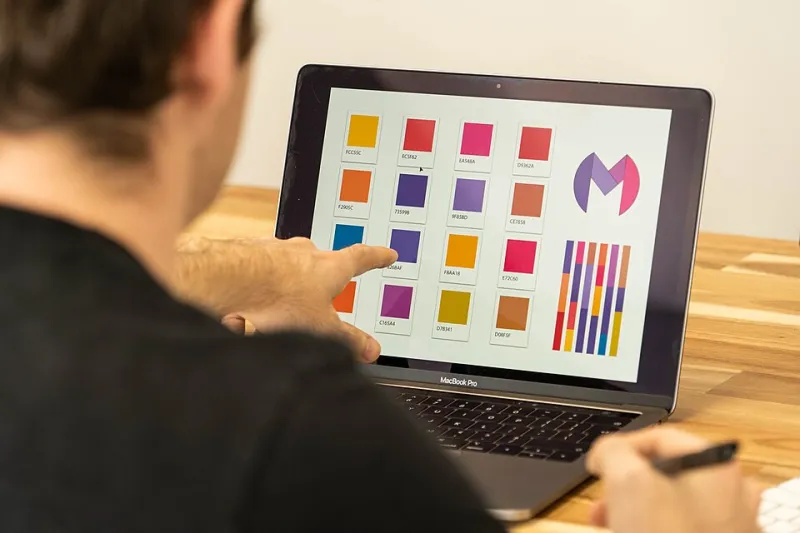
Designers face the same pull. Client mood boards increasingly reference images from this synthetic visual language rather than actual seasonal references. "I want something that feels like fall" has quietly become "I want something that feels like that vibe" — and that vibe is Season Zero, not any real October.
The result is that a lot of creative work is now being calibrated to a season that doesn't exist in the physical world. Which isn't necessarily bad. But it's worth knowing that's what's happening.
The Geography Problem
One of the stranger side effects of Season Zero is how it flattens geographic visual identity. Regional differences in how seasons actually look — the way fall hits differently in New England versus the Texas Hill Country, the way winter in the Pacific Northwest is nothing like winter in the Midwest — tend to get smoothed out in favor of the synthetic universal.
For photographers especially, this creates a quiet tension. The most locally specific, visually honest images of a place often don't perform as well as images that conform to the phantom season's aesthetic grammar. The algorithm rewards legibility over authenticity, and Season Zero is extremely legible.
Some creators are pushing back on this deliberately — leaning into regional specificity, harsh light, unflattering weather, the actual mess of real seasons. It's a harder road in terms of reach, but the work tends to feel more grounded and, over time, more distinctive.
Working With It, Not Just In It
None of this means you should abandon the aesthetic entirely. Season Zero exists because it resonates — it taps into something real about how people want to feel, even if it doesn't reflect how things actually look outside. Understanding that is genuinely useful creative intelligence.
The move isn't to reject the phantom season. It's to be conscious that you're operating in it. When you're making a mood board, ask yourself: is this what the actual season looks like, or is this what the feed says it looks like? When you're editing a photo, notice whether your instinct to reach for warm mids and lifted shadows is coming from the light you actually captured or from what you know tends to perform.
That awareness creates a choice. And choice is where creative work actually lives.
Season Zero isn't going anywhere. The algorithm is too good at building it, and audiences are too conditioned to respond to it. But the best creative work happening right now is made by people who can see the phantom season clearly — who know when they're inside it and when they're making something that actually reflects the world they're standing in.
That tension? That's the interesting place to work.