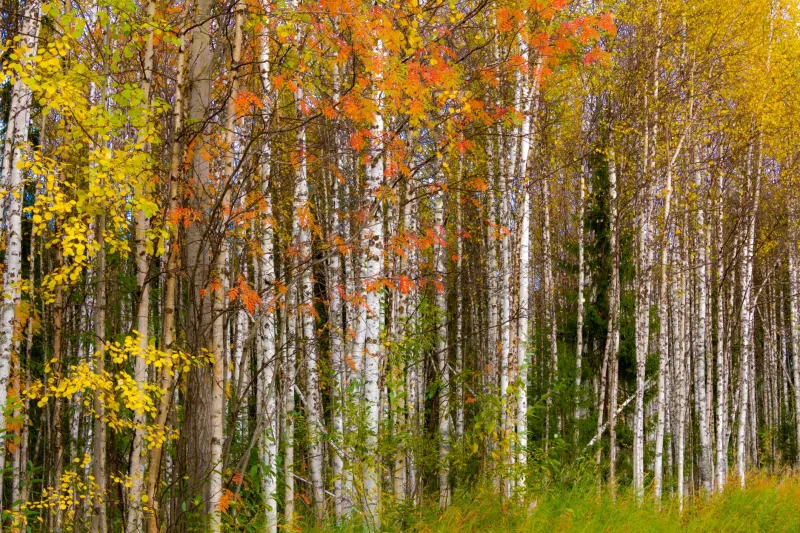
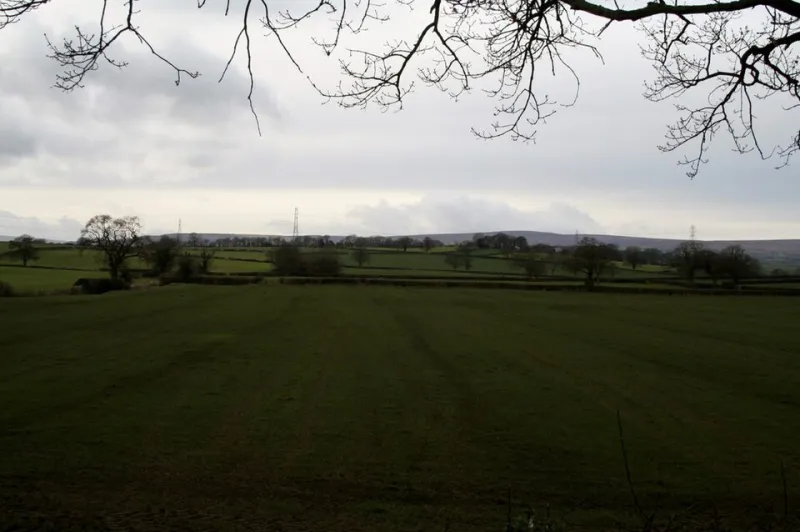
72 Reasons to See the Year Differently: What Ancient East Asian Seasonal Calendars Can Teach US Creatives
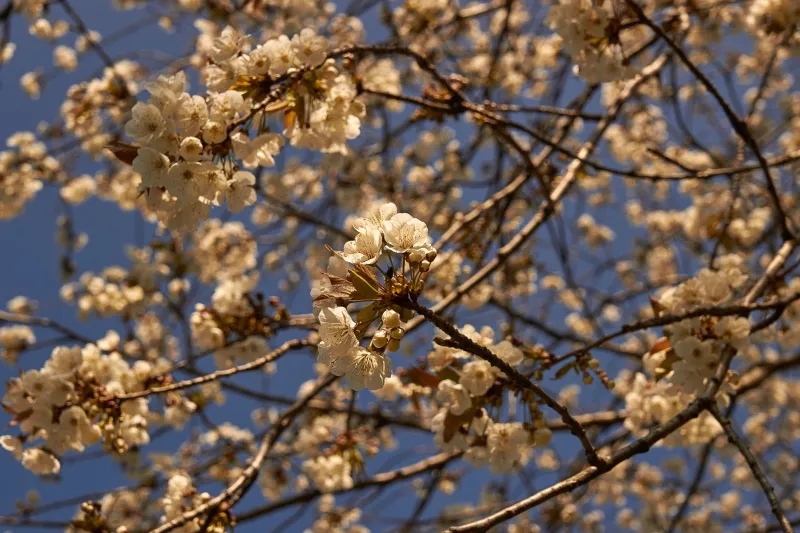
Somewhere around the second week of February, most US-based photographers are in a kind of creative limbo. Winter is technically still happening, but it doesn't feel like the winter they know how to shoot. The hard cold of January has gone soft. The light is doing something different — a little longer, a little warmer at the edges — but spring isn't here yet. There's no category for this. The four-season framework offers no vocabulary for the specific, fleeting thing that's happening outside.
In China, they have a name for it. In Japan, they have several.
A Different Way of Counting the Year
The Chinese lunisolar calendar divides the year into 24 solar terms — called jieqi — each representing roughly 15 days of distinct environmental and atmospheric conditions. These aren't just meteorological labels. They're observational frameworks developed over centuries of close attention to how the natural world actually shifts, week by week.
Names like Grain Rain (mid-to-late April), White Dew (early September), and Minor Cold (early January) encode specific qualities of light, moisture, temperature, and biological activity that the four-season model simply doesn't distinguish between. Each term has its own visual character.
Japan took this framework even further. The traditional Japanese calendar subdivides those 24 terms into 72 micro-seasons — called shichijūni kō — each lasting approximately five days. These micro-seasons have names so specific they read almost like poetry: Frogs Start Singing, First Peach Blossoms, Mist Starts to Linger, Crickets Chirp Around the Doors.
For a photographer or visual designer, these aren't just charming historical artifacts. They're observational prompts. They're a way of training your eye to notice what the four-season calendar has taught you to skip over.
The Gap Between Our Calendar and Our Eyes
The Western four-season model is a blunt instrument. It groups roughly 90 days of wildly varying visual conditions under a single label and calls it a season. The result is that most creatives working within that framework tend to think in seasonal archetypes — the golden autumn, the crisp winter, the soft spring, the saturated summer — rather than in the specific, granular reality of what's actually happening on a given week in a given place.
This is a real creative limitation. The light on October 3rd is not the light on October 28th. The color of a late-August afternoon is categorically different from early September, even though both technically fall in the same season. The four-season framework gives you no tools to articulate that difference, let alone to build a creative practice around it.
The 24 solar terms and 72 micro-seasons do. They say: this specific window of time has its own character. Pay attention to it.
How US Designers Are Already Using These Frameworks
A handful of American creatives have started incorporating East Asian seasonal frameworks into their practice — not as cultural appropriation, but as a perceptual tool that happens to translate remarkably well to the North American landscape.
Landscape photographers working in the Pacific Northwest have found that the jieqi framework maps onto the region's notoriously transitional climate with unexpected precision. The micro-season equivalent of Insects Awaken (early March in the Chinese calendar) corresponds closely to a specific week in the Pacific Northwest when the first real warmth hits the forest floor and the light takes on a quality that photographers in the region recognize but struggle to name.
Editorial designers working on seasonal content campaigns have started using the 24-term framework as a content calendar alternative — one that produces 24 distinct visual moments per year rather than four, each with its own color story and atmospheric reference. The result is creative work that feels more specific, more grounded, and harder to replicate with generic stock imagery.
Branding studios working with agricultural and food clients have found the solar terms particularly useful for communicating seasonal product positioning with a level of specificity that "fall harvest" simply can't deliver.
Applying the Framework: A Practical Starting Point
You don't need to study classical Chinese astronomy to start using this approach. The entry point is simpler: commit to photographing or designing around one specific environmental observation per week rather than one season per quarter.
Pick a micro-season name — even loosely translated ones work as prompts. Dew Glistens and Condenses (late August into early September) is a specific visual assignment. It tells you what to look for, what quality of light and moisture to prioritize, what the color palette of that particular window actually looks like as opposed to what "late summer" generically suggests.
Over the course of a year, this practice builds a visual library that is genuinely yours — keyed to your specific location, your specific eye, the specific way the light moves through your environment in those five-day windows. That's something no trend cycle can replicate.
Seeing What the Calendar Never Showed You
One of the most striking things about the 72-season framework is what it reveals about the in-between moments that Western seasonal thinking tends to flatten. The micro-seasons are specifically designed to capture transition — the exact week when something is becoming rather than being.
For photographers, those transitional moments are often the most visually interesting and the hardest to plan for, because the standard seasonal calendar gives you no signal that they're coming. The 72-season framework is essentially a map of those moments. It tells you: right now, something specific is happening. Get outside.
US creatives have access to one of the most visually diverse landscapes on earth. Four seasons is not enough categories to do it justice. The tools to see more granularly have existed for centuries — we just had to look in the right direction.
At Autumn Pixels, we believe the most interesting creative territory is always found in the spaces between the obvious seasons. These ancient frameworks just help you find the door.